Springer Nature
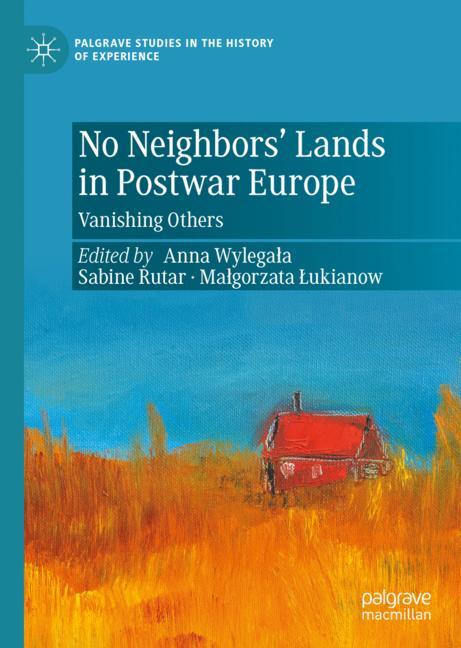
No Neighborsâ Lands In Postwar Europe
Miglior prezzo disponibile
139,99$
Springer Nature · Spedizione gratuita
VISAPayPal
Prezzi aggiornati
Specifiche
MarcaSpringer Nature
CondizioneNuovo
Descrizione
This book focuses on the social voids that were the result of occupation, genocide, mass killings, and population movements in Europe during and after the Second World War. Historians, sociologists, and anthropologists adopt comparative perspectives on those who now lived in âcleansedâ borderlands. Its contributors explore local subjectivities of social change through the concept of âNo Neighborsâ Landsâ: How does it feel to wear the dress of your murdered neighbor? How does one get used to friends, colleagues, and neighbors no longer being part of everyday life? How is moral, social, and legal order reinstated after one part of the community participated in the ethnic cleansing of another? How is order restored psychologically in the wake of neighbors watching others being slaughtered by external enemies? This book sheds light on how destroyed European communities, once multi-ethnic and multi-religious, experienced postwar reconstruction, attempted to come to terms with what had happened, and negotiated remembrance. Chapter 7 and 13 are available open access under a Creative Commons Attribution 4.0 International License via link.springer.com.
Storico prezzi
Ricevi una notifica se il prezzo scende
Ti invieremo un'email quando il prezzo di questo prodotto diminuirà.
- Aggiornamenti dei prezzi in tempo reale
- Oltre 50 negozi monitorati
- Avvisi gratuiti di calo prezzo
- Solo negozi verificati
Avvisami quando il prezzo scende sotto: 139,99$
Prodotti simili
Una selezione di prodotti che potrebbero interessarti. Guarda tutti
 No Neighborsâ Lands In Postwar Europe
83,99$
No Neighborsâ Lands In Postwar Europe
83,99$
 Eastern Europe In The Postwar World
54,99$
Eastern Europe In The Postwar World
54,99$
 Building Postwar Europe
84,99$
Building Postwar Europe
84,99$
 The Cobra Movement In Postwar Europe Reanimating Art | Visual Studies
51,99$
The Cobra Movement In Postwar Europe Reanimating Art | Visual Studies
51,99$
 The German Lands And Eastern Europe
84,99$
The German Lands And Eastern Europe
84,99$
 Postwar Continuity And New Challenges In Central Europe 1918–1923 The War That Never Ended | History
48,79$
Postwar Continuity And New Challenges In Central Europe 1918–1923 The War That Never Ended | History
48,79$
 Nerve Agents In Postwar Britain
139,99$
Nerve Agents In Postwar Britain
139,99$
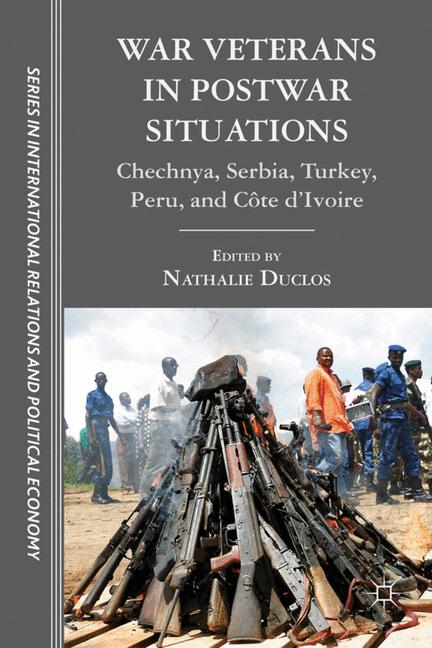 War Veterans In Postwar Situations
54,99$
War Veterans In Postwar Situations
54,99$