Springer Nature
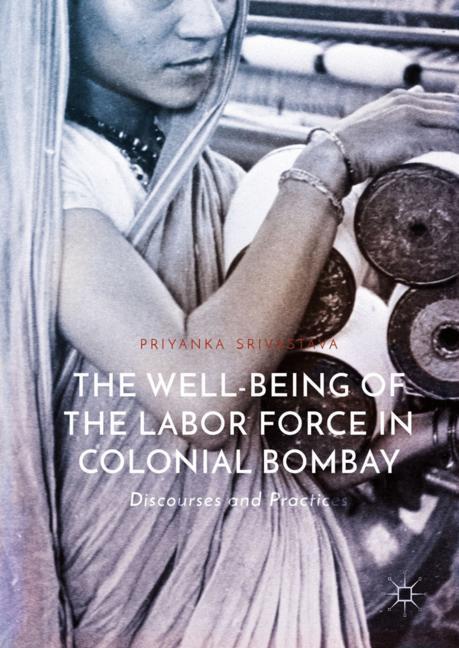
The Well-Being Of The Labor Force In Colonial Bombay
Miglior prezzo disponibile
84,99$
Springer Nature · Spedizione gratuita
VISAPayPal
Prezzi aggiornati
Specifiche
MarcaSpringer Nature
CondizioneNuovo
Descrizione
This study draws on extensive archival research to explore the social history of industrial labor in colonial India through the lens of well-being. Focusing on the cotton millworkers in Bombay in the late nineteenth and early twentieth centuries, the book moves beyond trade union politics and examines the complex ways in which the broader colonial society considered the subject of worker well-being. As the author shows, worker well-being projects unfolded in the contexts of British Empire, Indian nationalism, extraordinary infant mortality, epidemic diseases, and uneven urban development. Srivastava emphasizes that worker well-being discourses and practices strove to reallocate resources and enhance the productive and reproductive capacities of the nationâs labor power. She demonstrates how the built urban environment, colonial local governance, public health policies, and deeply gendered local and transnational voluntary reform programs affected worker wellbeing practices and shaped working class lives.
Storico prezzi
Ricevi una notifica se il prezzo scende
Ti invieremo un'email quando il prezzo di questo prodotto diminuirà.
- Aggiornamenti dei prezzi in tempo reale
- Oltre 50 negozi monitorati
- Avvisi gratuiti di calo prezzo
- Solo negozi verificati
Avvisami quando il prezzo scende sotto: 84,99$
Prodotti simili
Una selezione di prodotti che potrebbero interessarti. Guarda tutti
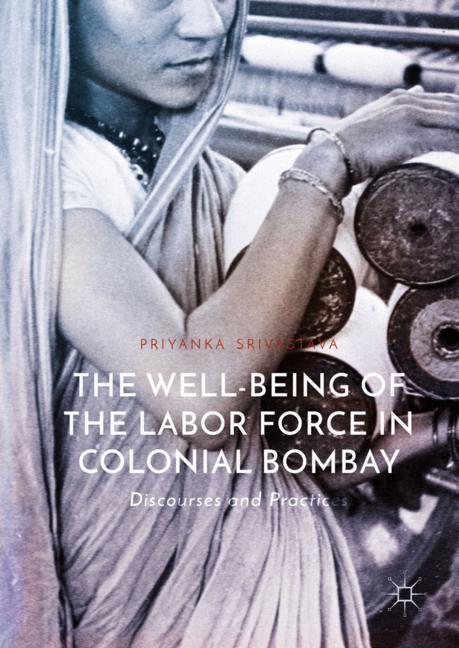 The Well-Being Of The Labor Force In Colonial Bombay
109,99$
The Well-Being Of The Labor Force In Colonial Bombay
109,99$
 The Measurement Of Segregation In The Labor Force
109,99$
The Measurement Of Segregation In The Labor Force
109,99$
 The Illusion Of Well-Being
109,99$
The Illusion Of Well-Being
109,99$
 The Science Of Well-Being
149,00$
The Science Of Well-Being
149,00$
 Well-Being In The Information Society. Fruits Of Respect
39,99$
Well-Being In The Information Society. Fruits Of Respect
39,99$
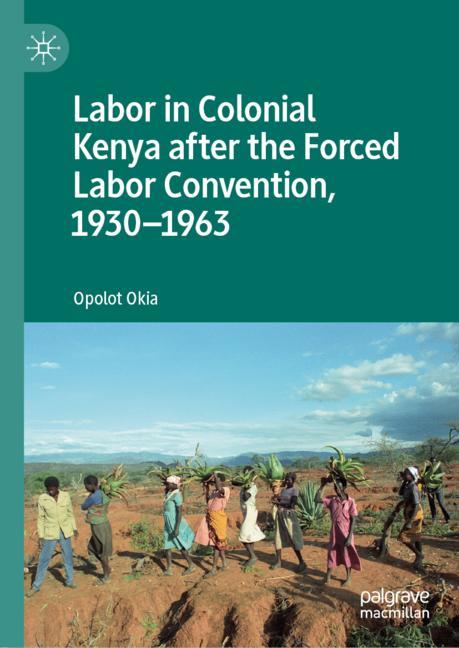 Labor In Colonial Kenya After The Forced Labor Convention, 1930â1963
79,99$
Labor In Colonial Kenya After The Forced Labor Convention, 1930â1963
79,99$
 The Human Pursuit Of Well-Being
109,99$
The Human Pursuit Of Well-Being
109,99$
 The Pursuit Of Human Well-Being
379,99$
The Pursuit Of Human Well-Being
379,99$