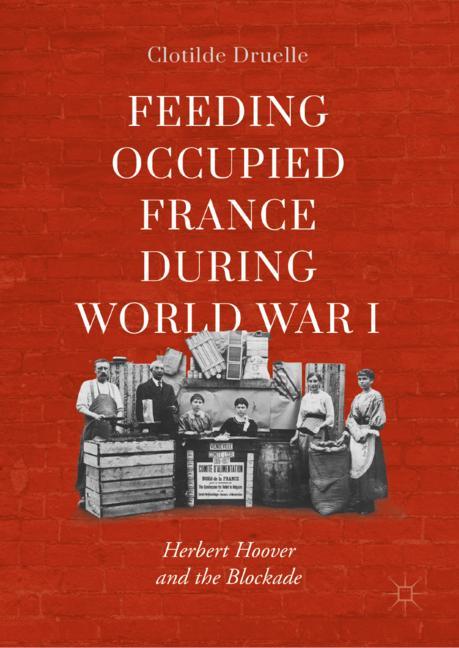
This book examines the history of Herbert Hooverâs Commission for Relief in Belgium, which supplied humanitarian aid to the millions of civilians trapped behind German lines in Belgium and Northern France during World War I. Here, Clotilde Druelle focuses on the little-known work of the CRB in Northern France, crossing continents and excavating neglected archives to tell the story of daily life under Allied blockade in the region. She shows how the survival of 2.3 million French civilians came to depend upon the transnational mobilization of a new sort of diplomatic actorâthe non-governmental organization. Lacking formal authority, the leaders of the CRB claimed moral authority, introducing the concepts of a âhumanitarian food emergencyâ and âhumanitarian corridorsâ and ushering in a new age of international relations and American hegemony.