Springer Nature

Work And Family In Japanese Society
Miglior prezzo disponibile
55,99$
Springer Nature · Spedizione gratuita
VISAPayPal
Prezzi aggiornati
Specifiche
MarcaSpringer Nature
CondizioneNuovo
Descrizione
This book provides a systematic framework for interpreting the fertility decline in Japan. It situates the change in fertility rates in a broader context, such as family life and working customs. The basic argument it puts forward is that Japan has failed to establish a âdual-earnerâ society: women still face the trade-off between having a career or starting a family, which has led to an extremely low fertility rate in Japanese society. Further to this rather common explanation, which could also be applied to other low-fertility societies such as Germany and Italy, the author presents an original view. Japan has had its own momentum in holding on to its strong âmen as breadwinners and women as housekeepersâ model by creating a unique regime, namely, a Japanese model of a welfare society. This regime places special emphasis on the welfare provided by private companies and family members instead of by the government. Private firms are expected to secure menâs jobs and income to the greatest extent, taking advantage of Japanese employment customs. On the other hand, women are expected to provide care for their family members. The book argues that the familialist orientation is still dominant in Japan and is repeatedly reinforced in the policy context.
Storico prezzi
Ricevi una notifica se il prezzo scende
Ti invieremo un'email quando il prezzo di questo prodotto diminuirà.
- Aggiornamenti dei prezzi in tempo reale
- Oltre 50 negozi monitorati
- Avvisi gratuiti di calo prezzo
- Solo negozi verificati
Avvisami quando il prezzo scende sotto: 55,99$
Prodotti simili
Una selezione di prodotti che potrebbero interessarti. Guarda tutti
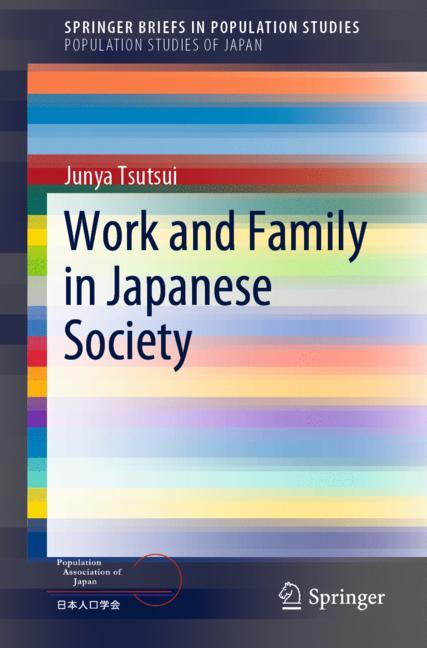 Work And Family In Japanese Society
41,99$
Work And Family In Japanese Society
41,99$
 Balancing Work And Family In A Changing Society
59,99$
Balancing Work And Family In A Changing Society
59,99$
 Family In "Crisis" - Politics And Society
99,99$
Family In "Crisis" - Politics And Society
99,99$
 Family And Economy In Modern Society
109,99$
Family And Economy In Modern Society
109,99$
 Family Divisions And Inequalities In Modern Society
39,99$
Family Divisions And Inequalities In Modern Society
39,99$
 Learning And Work In The Risk Society
39,99$
Learning And Work In The Risk Society
39,99$
 Work, Organisation And Labour In Dutch Society
109,99$
Work, Organisation And Labour In Dutch Society
109,99$
 Japanese Society And Lay Participation In Criminal Justice
129,99$
Japanese Society And Lay Participation In Criminal Justice
129,99$