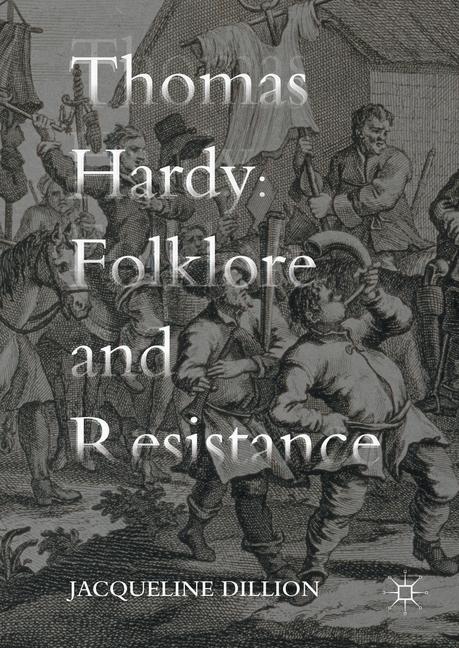
This book reassesses Hardyâs fiction in the light of his prolonged engagement with the folklore and traditions of rural England. Drawing on wide research, it demonstrates the pivotal role played in the novels by such customs and beliefs as âoverlookingâ, hag-riding, skimmington-riding, sympathetic magic, mumming, bonfire nights, May Day celebrations, Midsummer divination, and the âPortland Customâ. This study shows how such traditions were lived out in practice in village life, and how they were represented in written texts â in literature, newspapers, county histories, folklore books, the work of the Folklore Society, archival documents, and letters. It explores tensions between Hardyâs repeated insistence on the authenticity of his accounts and his engagement with contemporary anthropologists and folklorists, and reveals how his efforts to resist their âexcellently neatâ categories of culture open up wider questions about the nature of belief, progress, and social change.