Springer Nature
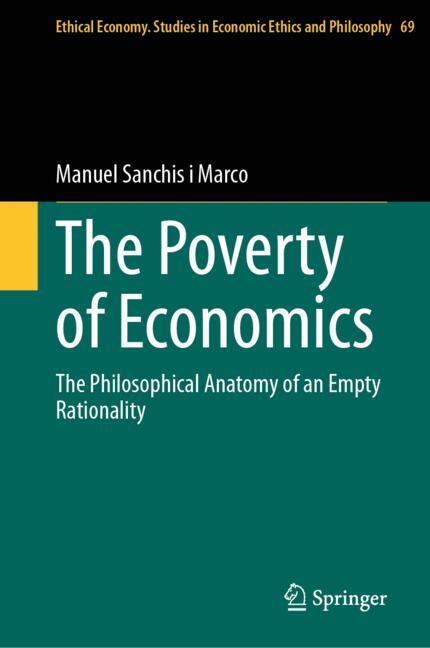
The Poverty Of Economics
Miglior prezzo disponibile
99,99$
Springer Nature · Spedizione gratuita
VISAPayPal
Prezzi aggiornati
Specifiche
MarcaSpringer Nature
CondizioneNuovo
Descrizione
This book improves the alignment of economics with the idea of justice, the first virtue of any social institution, according to Rawls. To this aim, it provides the analytical framework necessary to ensure a just economy. While todayâs notion of economics favours the economics of extortion, this book proposes a model that transcends Lionel Robbinsâ canonical relationship between ends and means, as it proposes a broader notion of rationality incorporating the range of human attributes. In contrast to Robbins' economic rationality, economic choices must be based on adequate and good reasons, as Rescher claims, because both the means and the ends require rational deliberation. As a result, the book challenges Robbinsâ hope of turning general concepts like scarcity, costs, etc. into universal economic principles guiding human behavior in a vacuum. It disputes the idea that, through the application of the abstract formulation of economic statements unconnected to reality, economics can be rationalized in a morally neutral space, based on empty rationality. By contrasting the three rival versions of economics âformalism (axiomatic), empiricism (technocratic-consequential), and institutionalism (axio-ideological)â the book shows that it is not possible to switch between them as they refer to segmented mental universes of abstraction.
Storico prezzi
Ricevi una notifica se il prezzo scende
Ti invieremo un'email quando il prezzo di questo prodotto diminuirà.
- Aggiornamenti dei prezzi in tempo reale
- Oltre 50 negozi monitorati
- Avvisi gratuiti di calo prezzo
- Solo negozi verificati
Avvisami quando il prezzo scende sotto: 99,99$
Prodotti simili
Una selezione di prodotti che potrebbero interessarti. Guarda tutti
 The Poverty Of Economics
119,99$
The Poverty Of Economics
119,99$
 "The Crisis Of Poverty And Debt In The Third World | Economics
41,59$
"The Crisis Of Poverty And Debt In The Third World | Economics
41,59$
 The Economics Of Poverty, Inequality And Wealth Accumulation In Mexico
74,99$
The Economics Of Poverty, Inequality And Wealth Accumulation In Mexico
74,99$
 Economics Of Poverty, Environment And Natural-Resource Use
169,99$
Economics Of Poverty, Environment And Natural-Resource Use
169,99$
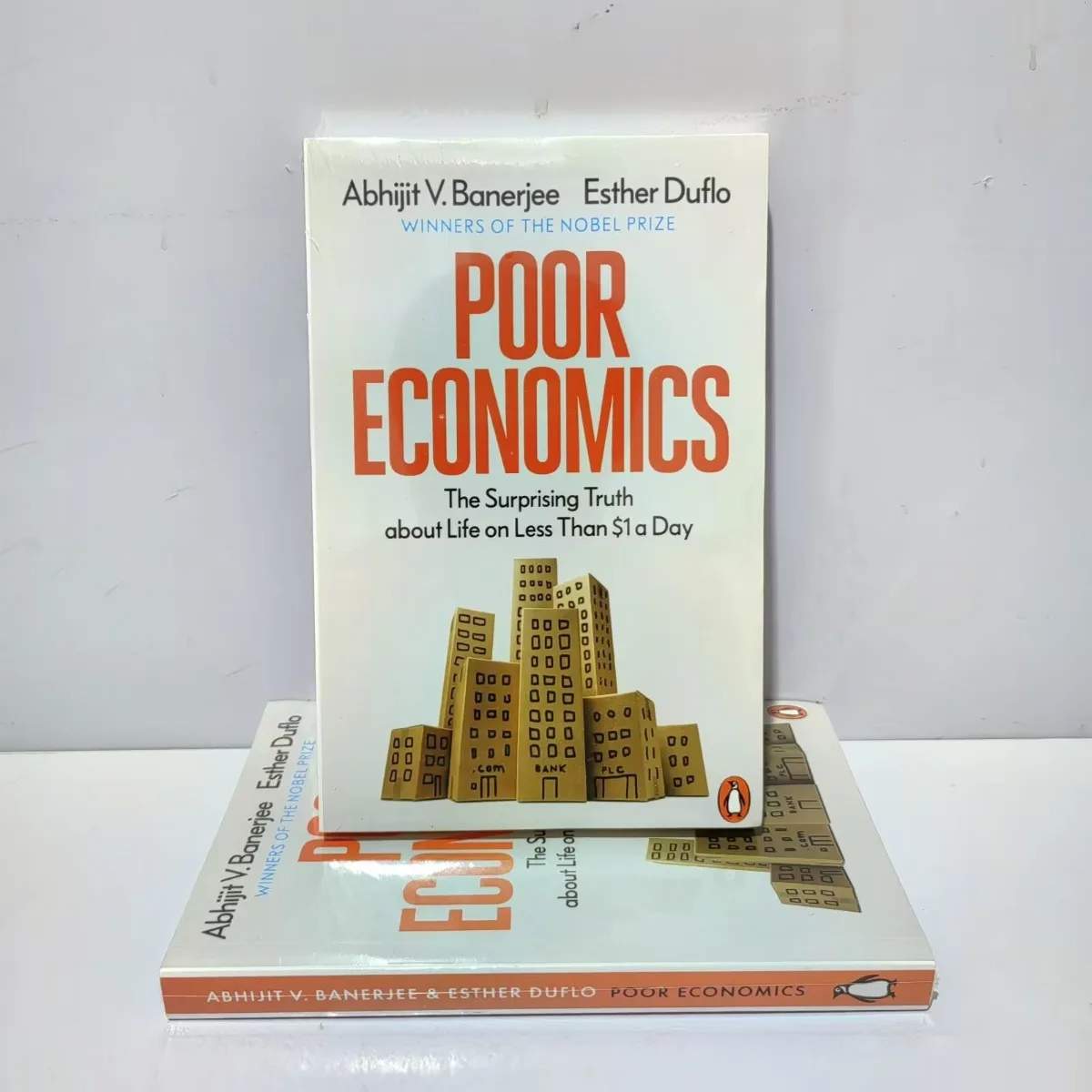 Poor Economics: The Nature Of Poverty By Abhijit Banerjee Esther Duflo Nobel Prize In Economics Social Science Non-Fiction Book
8,14$
Poor Economics: The Nature Of Poverty By Abhijit Banerjee Esther Duflo Nobel Prize In Economics Social Science Non-Fiction Book
8,14$
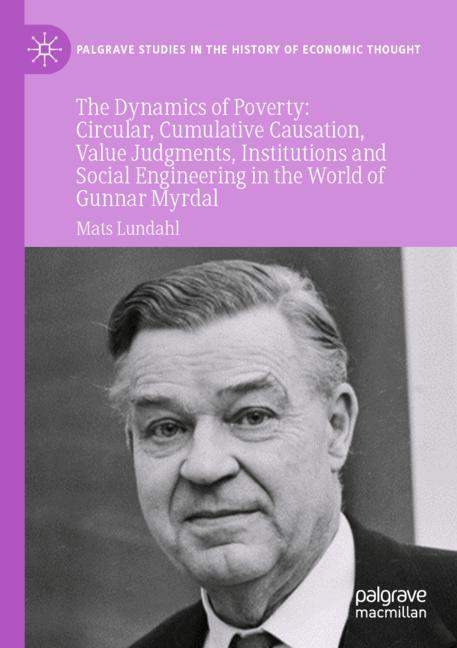 The Dynamics Of Poverty
119,99$
The Dynamics Of Poverty
119,99$
 Banker To The Poor; Micro-Lending And The Battle Against World Poverty Yunus, Muhammad Economics
100,00$
Banker To The Poor; Micro-Lending And The Battle Against World Poverty Yunus, Muhammad Economics
100,00$
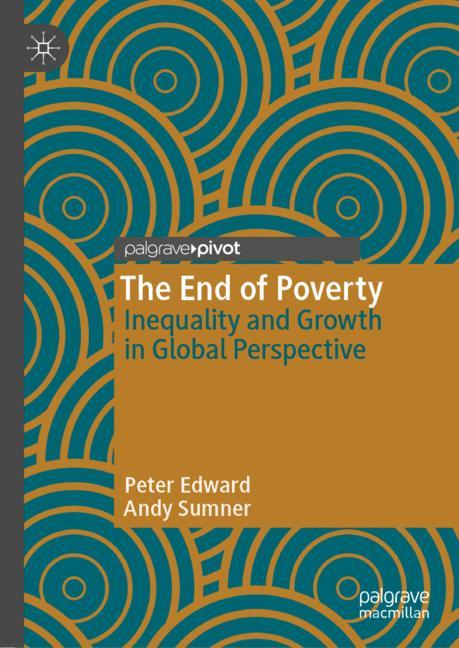 The End Of Poverty
59,99$
The End Of Poverty
59,99$