
The Red Romance Book. Lang, Andrew (Ed.).
Miglior prezzo disponibile
4197,72$
AbeBooks · Spedizione gratuita
VISAPayPal
Prezzi aggiornati
Specifiche
CondizioneNuovo
Descrizione
First edition, first impression, in a fine binding pleasingly sympathetic to the style of Lang's beautifully produced Fairy Books series. This instalment gathers medieval and renaissance tales, including episodes from The Fairie Queene, Don Quixote, and Orlando Furioso, all favourite titles of the arts and crafts movement. Reacting against industrialization, the movement "sought to revive techniques of handcrafting in an effort to recognize the individual creativity of every decorative artist" (University of Alabama). The symmetrical floral tools seen in this binding follow the advice of Douglas Cockerell, who warned that more natural flower shapes show irregularities which become unpleasant through repetition (pp. 230-1). The binding's aesthetic style is reminiscent of the Hampstead Bindery and its sister organization the Guild of Women Binders, both of which had closed by the year preceding publication. Henry Justice Ford's (1860-1941) artwork for Lang's books "provided a benchmark in fantasy illustration" (Grolier). Though the Fairy Books are credited to Lang, he acknowledged in the preface to Lilac (1910) that they "have been almost wholly the work of Mrs [Leonora] Lang, who has translated and adapted them from the French, German, Portuguese, Italian, Spanish, Catalan, and other languages". "Arts and Crafts", Publisher's Bindings Online, 1815-1930: The Art of Books, University of Alabama; Douglas Cockerell, Bookbinding and the Care of Books, 1901. Octavo (187 x 125 mm). Contemporary red morocco, spine lettered in gilt, low raised bands dividing compartments framed with gilt leaves and stems terminating in green onlaid petals, the same motif composing wide border on covers and turn-ins, with the onlays in blue and brown, marbled endpapers, top edge gilt, other edges uncut, original pink pictorial endpapers bound in. Colour frontispiece with tissue guard, 8 colour plates, 28 uncoloured engraved plates, further engravings in the text, all by H. J. Ford. Spine mildly darkened, gilt remaining bright, rear joint just starting at head, loss to one tiny petal onlay at upper left of front cover, spots of foxing to blanks, else clean. A near-fine, handsome copy.
Storico prezzi
Ricevi una notifica se il prezzo scende
Ti invieremo un'email quando il prezzo di questo prodotto diminuirà.
- Aggiornamenti dei prezzi in tempo reale
- Oltre 50 negozi monitorati
- Avvisi gratuiti di calo prezzo
- Solo negozi verificati
Avvisami quando il prezzo scende sotto: 4197,72$
Prodotti simili
Una selezione di prodotti che potrebbero interessarti.
 The Red Romance Book. Lang, Andrew (Ed.).
322,90$
The Red Romance Book. Lang, Andrew (Ed.).
322,90$
 The Red Romance Book. Edited By Andrew Lang Lang, Andrew (Ed.) And Leonora Lang Addenda: Dominican
258,32$
The Red Romance Book. Edited By Andrew Lang Lang, Andrew (Ed.) And Leonora Lang Addenda: Dominican
258,32$
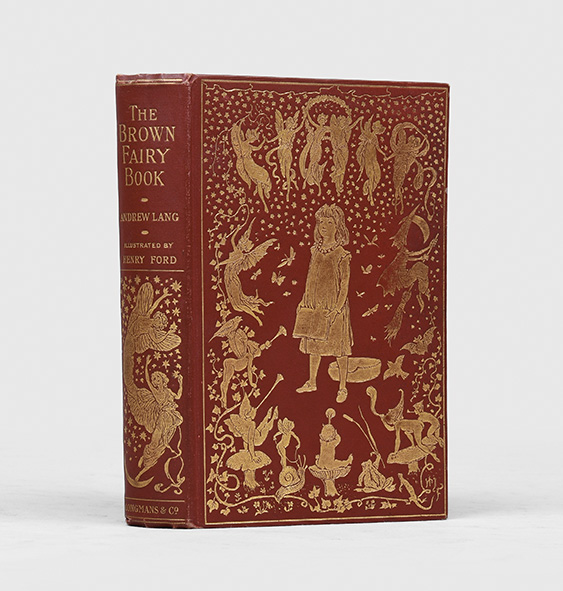 The Brown Fairy Book. Lang, Andrew (Ed.).
516,64$
The Brown Fairy Book. Lang, Andrew (Ed.).
516,64$
 The Violet Fairy Book. Lang, Andrew (Ed.).
774,96$
The Violet Fairy Book. Lang, Andrew (Ed.).
774,96$
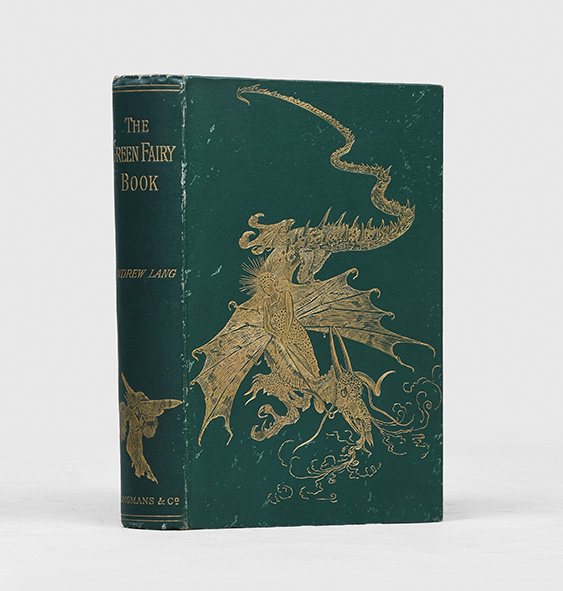 The Green Fairy Book. Lang, Andrew (Ed.).
581,22$
The Green Fairy Book. Lang, Andrew (Ed.).
581,22$
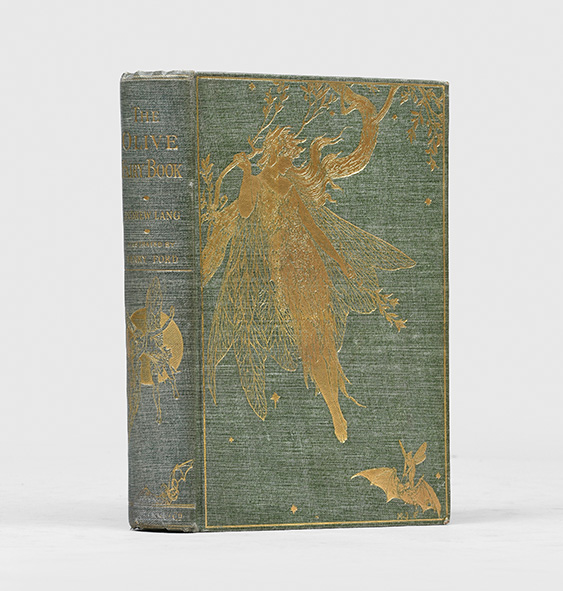 The Olive Fairy Book. Lang, Andrew (Ed.).
258,32$
The Olive Fairy Book. Lang, Andrew (Ed.).
258,32$
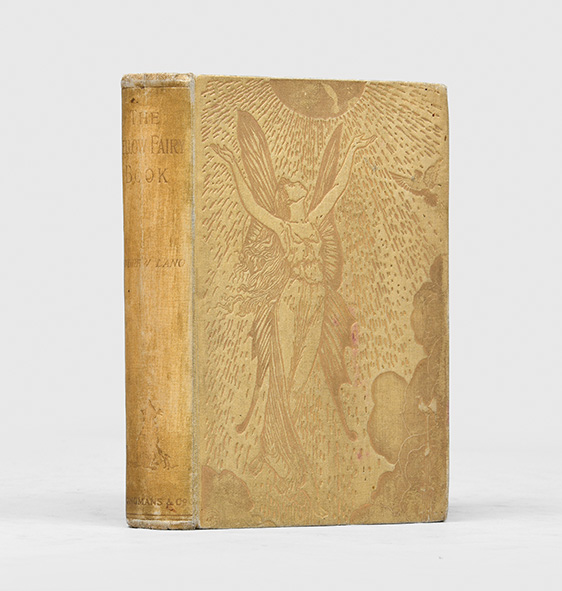 The Yellow Fairy Book. Lang, Andrew (Ed.).
516,64$
The Yellow Fairy Book. Lang, Andrew (Ed.).
516,64$
 The Olive Fairy Book Lang, Andrew (Ed)
524,39$
The Olive Fairy Book Lang, Andrew (Ed)
524,39$