Springer Nature
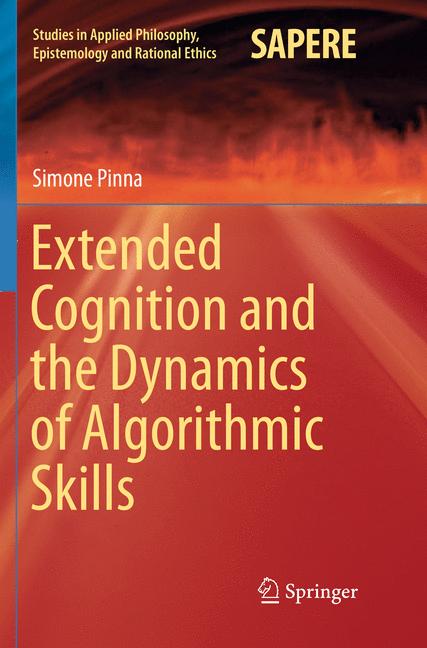
Extended Cognition And The Dynamics Of Algorithmic Skills
Miglior prezzo disponibile
54,99$
Springer Nature · Spedizione gratuita
VISAPayPal
Prezzi aggiornati
Specifiche
MarcaSpringer Nature
CondizioneNuovo
Descrizione
This book describes a novel methodology for studying algorithmic skills, intended as cognitive activities related to rule-based symbolic transformation, and argues that some human computational abilities may be interpreted and analyzed as genuine examples of extended cognition. It shows that the performance of these abilities relies not only on innate neurocognitive systems or language-related skills, but also on external tools and general agentâenvironment interactions. Further, it asserts that a low-level analysis, based on a set of core neurocognitive systems linking numbers and language, is not sufficient to explain some specific forms of high-level numerical skills, like those involved in algorithm execution. To this end, it reports on the design of a cognitive architecture for modeling all the relevant features involved in the execution of algorithmic strategies, including external tools, such as paper and pencils. The first part of the book discusses the philosophical premises for endorsing and justifying a position in philosophy of mind that links a modified form of computationalism with some recent theoretical and scientific developments, like those introduced by the so-called dynamical approach to cognition. The second part is dedicated to the description of a Turing-machine-inspired cognitive architecture, expressly designed to formalize all kinds of algorithmic strategies.
Storico prezzi
Ricevi una notifica se il prezzo scende
Ti invieremo un'email quando il prezzo di questo prodotto diminuirà.
- Aggiornamenti dei prezzi in tempo reale
- Oltre 50 negozi monitorati
- Avvisi gratuiti di calo prezzo
- Solo negozi verificati
Avvisami quando il prezzo scende sotto: 54,99$
Prodotti simili
Una selezione di prodotti che potrebbero interessarti. Guarda tutti
 Extended Cognition And The Dynamics Of Algorithmic Skills
54,99$
Extended Cognition And The Dynamics Of Algorithmic Skills
54,99$
 Dynamics Of Information Systems: Algorithmic Approaches
129,00$
Dynamics Of Information Systems: Algorithmic Approaches
129,00$
 Dynamics Of Extended Celestial Bodies And Rings
54,99$
Dynamics Of Extended Celestial Bodies And Rings
54,99$
 Dynamics Of Coupled Map Lattices And Of Related Spatially Extended Systems
109,99$
Dynamics Of Coupled Map Lattices And Of Related Spatially Extended Systems
109,99$
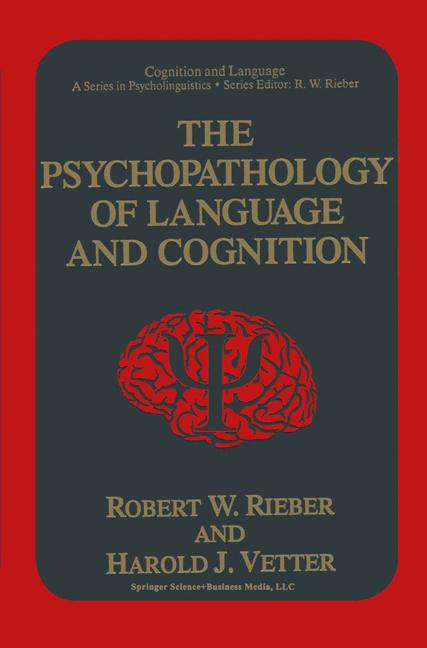 The Psychopathology Of Language And Cognition
109,99$
The Psychopathology Of Language And Cognition
109,99$
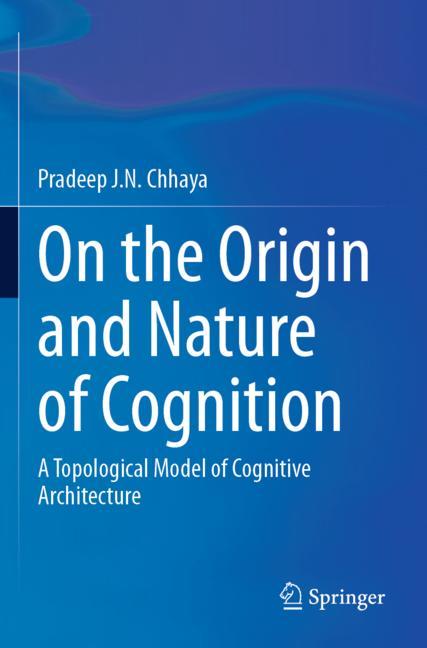 On The Origin And Nature Of Cognition
159,99$
On The Origin And Nature Of Cognition
159,99$
 Social Cognition And The Acquisition Of Self
54,99$
Social Cognition And The Acquisition Of Self
54,99$
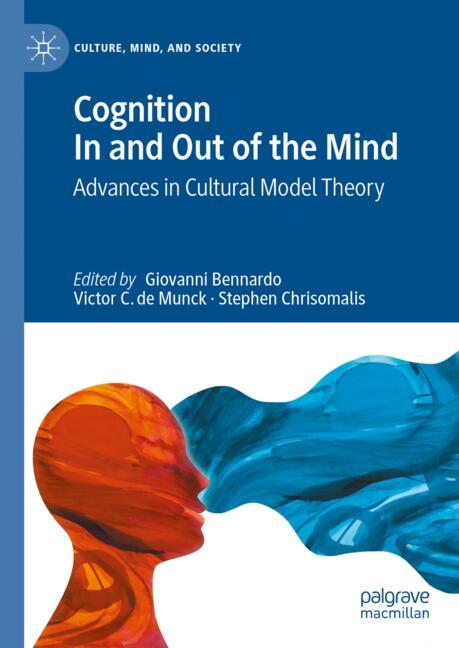 Cognition In And Out Of The Mind
129,00$
Cognition In And Out Of The Mind
129,00$