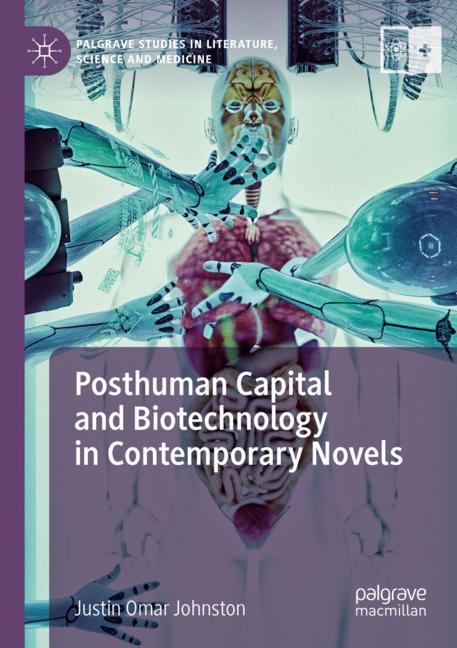
This book examines several distinctive literary figurations of posthuman embodiment as they proliferate across a range of internationally acclaimed contemporary novels: clones in Kazuo Ishiguroâs Never Let Me Go, animal-human hybrids in Margaret Atwoodâs Oryx and Crake, toxic bodies in Indra Sinhaâs Animalâs People, and cyborgs in Jeanette Wintersonâs The Stone Gods. While these works explore the transformational power of the âbiotech century,â they also foreground the key role human capital theory has played in framing human belonging as an aspirational category that is always and structurally just out of reach, making contemporary subjects never-human-enough. In these novels, the dystopian character of human capital theory is linked to fantasies of apocalyptic release. As such, these novels help expose how two interconnected genres of futurity (the dystopian and the apocalyptic) work in tandem to propel each other forward so that fears of global disaster become alibis for dystopian control, which, in turn, becomes the predicate for intensifying catastrophes. In analyzing these novels, Justin Omar Johnston draws attention to the entanglement of bodies in technological environments, economic networks, and deteriorating ecological settings.