Springer Nature
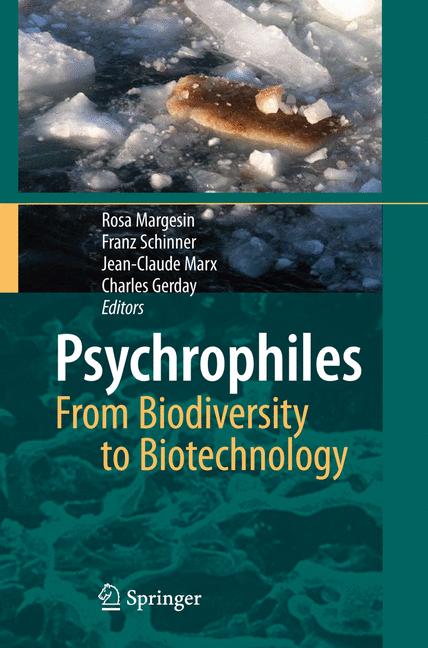
Psychrophiles: From Biodiversity To Biotechnology
Miglior prezzo disponibile
129,00$
Springer Nature · Spedizione gratuita
VISAPayPal
Prezzi aggiornati
Specifiche
MarcaSpringer Nature
CondizioneNuovo
Descrizione
Most scientists in the middle of the twentieth century would probably not have believed that life was possible at extreme values of environmental factors, such as pH values close to 0 (e. g. sulfurous environments) or to 14 (e. g. soda lakes), sali- ties of 6 M NaCl (e. g. Dead Sea), hydrostatic pressures approaching 0. 1 MPa (deep sea) and temperatures exceeding 100°C (thermal vents or hot springs) or as low as â20°C (e. g. polar regions). Of the current studies on extremophiles, approximately 30,000 articles by the year 2007, almost two-thirds have been performed on org- isms adapted to outstanding temperatures, but much more attention has been paid to thermophiles than to psychrophiles. However, over the past 10 years, scientific publications on cold-adapted microorganisms have increased by a factor of ten. If one considers the extent of cold habitats, psychrophiles, i. e. cold-loving organisms, should largely lead in this comparison with thermophiles because a great proportion of the Earthâs biosphere never reaches temperatures above 5°C. Nearly three-quarters of the Earth is covered by oceans whose deep water masses, irrespective of latitude, are constantly between 2 and 4°C. The large continent of Antarctica also provides a permanently cold terrestrial environment as well as an aquatic niche in the surrounding ice that melts during the summer. Other examples of cold habitats are permafrost soils, high alpine soils, cold deserts, cold caves, marine sediments, snow, glacier and sea ice.
Storico prezzi
Ricevi una notifica se il prezzo scende
Ti invieremo un'email quando il prezzo di questo prodotto diminuirà.
- Aggiornamenti dei prezzi in tempo reale
- Oltre 50 negozi monitorati
- Avvisi gratuiti di calo prezzo
- Solo negozi verificati
Avvisami quando il prezzo scende sotto: 129,00$
Prodotti simili
Una selezione di prodotti che potrebbero interessarti. Guarda tutti
 Psychrophiles: From Biodiversity To Biotechnology
219,99$
Psychrophiles: From Biodiversity To Biotechnology
219,99$
 Biotechnology And Biodiversity
169,99$
Biotechnology And Biodiversity
169,99$
 From Assessing To Conserving Biodiversity
59,99$
From Assessing To Conserving Biodiversity
59,99$
 Microbial Biodiversity, Biotechnology And Ecosystem Sustainability
149,00$
Microbial Biodiversity, Biotechnology And Ecosystem Sustainability
149,00$
 Medicinal Plants: Biodiversity, Biotechnology And Conservation
139,99$
Medicinal Plants: Biodiversity, Biotechnology And Conservation
139,99$
 Agricultural Biodiversity And Biotechnology In Economic Development
219,99$
Agricultural Biodiversity And Biotechnology In Economic Development
219,99$
 From Ethnomycology To Fungal Biotechnology
169,99$
From Ethnomycology To Fungal Biotechnology
169,99$
 Agrobacterium: From Biology To Biotechnology
219,99$
Agrobacterium: From Biology To Biotechnology
219,99$