Springer Nature
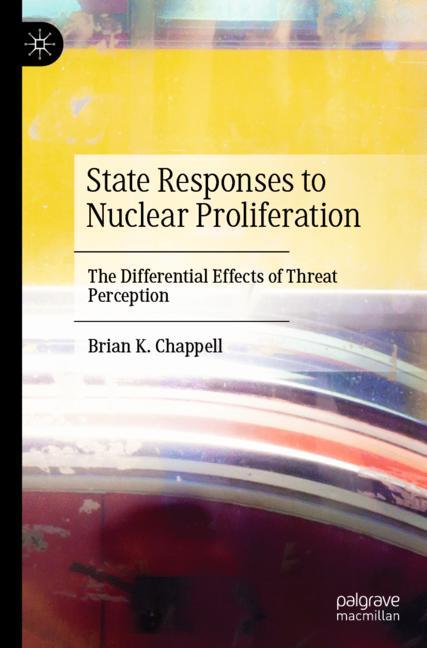
State Responses To Nuclear Proliferation
Miglior prezzo disponibile
147,69€
Springer Nature · Spedizione gratuita
VISAPayPal
Prezzi aggiornati
Specifiche
MarcaSpringer Nature
CondizioneNuovo
Descrizione
Contemporary fears of rogue state nuclear proliferation and nuclear terrorism pose unique challenges for the global community. This book offers a unique approach by examining why states that have the military capability to severely damage a proliferating stateâs nuclear program instead choose to pursue coercive diplomacy. The author argues cognitive psychological influences, including the trauma derived from national tragedies like the September 11th attacks and the Holocaust, and a history of armed conflict increase the threat perceptions of foreign policy decision-makers when confronting a state perceived to be challenging the existing power structure by pursuing a nuclear weapon. The powerful stateâs degree of perceived threat, combined with its national security policies, military power projection capabilities, and public support then influence whether it will take no action, use coercive diplomacy/sanctions, or employ military force to address the weaker stateâs nuclear ambitions.
Storico prezzi
Ricevi una notifica se il prezzo scende
Ti invieremo un'email quando il prezzo di questo prodotto diminuirà.
- Aggiornamenti dei prezzi in tempo reale
- Oltre 50 negozi monitorati
- Avvisi gratuiti di calo prezzo
- Solo negozi verificati
Avvisami quando il prezzo scende sotto: 147,69€
Prodotti simili
Una selezione di prodotti che potrebbero interessarti. Guarda tutti
 State Responses To Nuclear Proliferation
147,69€
State Responses To Nuclear Proliferation
147,69€
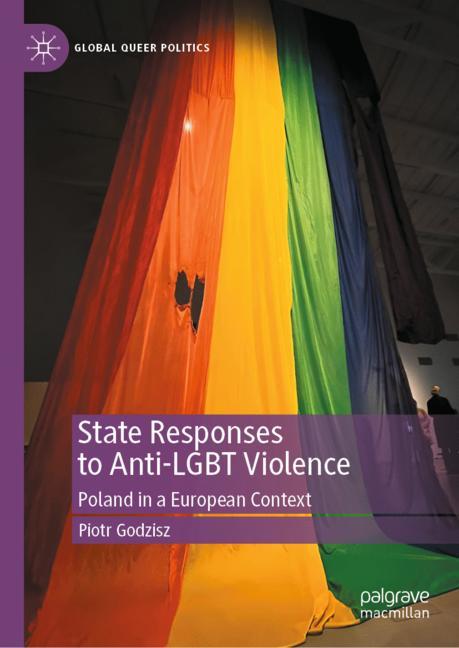 State Responses To Anti-Lgbt Violence
137,14€
State Responses To Anti-Lgbt Violence
137,14€
 Exploring Regional Responses To A Nuclear Iran
52,74€
Exploring Regional Responses To A Nuclear Iran
52,74€
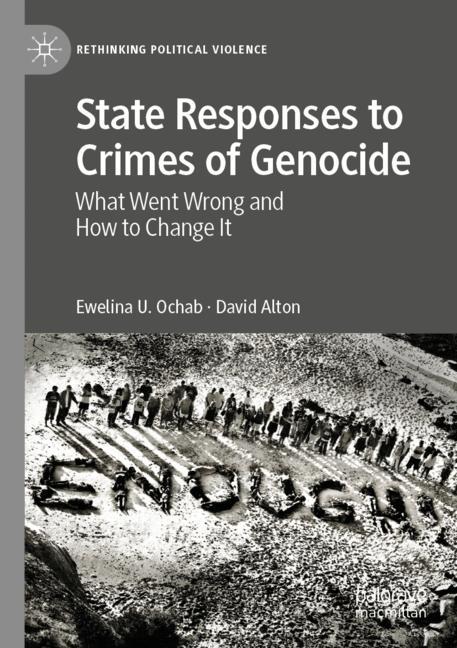 State Responses To Crimes Of Genocide
126,59€
State Responses To Crimes Of Genocide
126,59€
 Nuclear Non-Proliferation
105,49€
Nuclear Non-Proliferation
105,49€
 Nuclear Proliferation In Northeast Asia
52,74€
Nuclear Proliferation In Northeast Asia
52,74€
 The Nuclear Non-Proliferation Regime
158,24€
The Nuclear Non-Proliferation Regime
158,24€
 South Africa And Nuclear Proliferation
42,19€
South Africa And Nuclear Proliferation
42,19€