Springer Nature
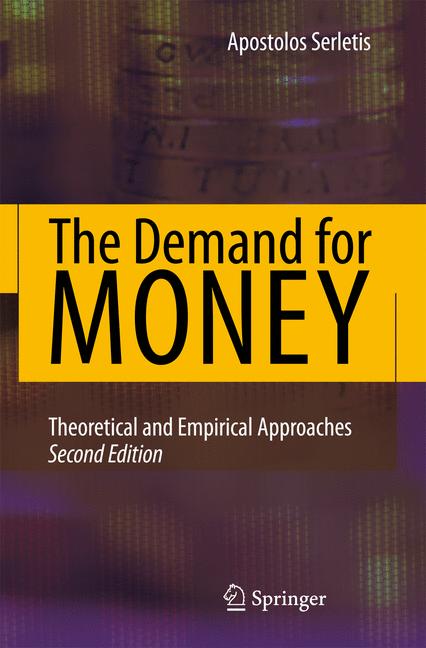
The Demand For Money
Miglior prezzo disponibile
158,24€
Springer Nature · Spedizione gratuita
VISAPayPal
Prezzi aggiornati
Specifiche
MarcaSpringer Nature
CondizioneNuovo
Descrizione
Almost half a century has elapsed since the demand for money began to attract widespread attention from economists and econometricians, and it has been a topic of ongoing controversy and research ever since. Interest in the topic stemmed from three principal sources. Firstofall,therewasthematter oftheinternaldynamicsofmacr- conomics, to which Harry Johnson drew attention in his 1971 Ely Lecture on âThe Keynesian Revolution and the Monetarist Counter- Revolution,â American Economic Review 61 (May 1971). The main lesson about money that had been drawn from the so-called âKey- sian Revolutionâ was â rightly or wrongly â that it didnât matter all that much. The inherited wisdom that undergraduates absorbed in the 1950s was that macroeconomics was above all about the determination of income and employment, that the critical factors here were saving and investment decisions, and that monetary factors, to the extent that they mattered at all, only had an in?uence on these all important variables through a rather narrow range of market interest rates. C- ventional wisdom never goes unchallenged in economics, except where its creators manage to control access to graduate schools and the jo- nals,anditiswithnocynicalintentthatIcon?rmJohnsonâssuggestion that those of us who embarked on academic careers in the â60s found in this wisdom a ready-made target.
Storico prezzi
Ricevi una notifica se il prezzo scende
Ti invieremo un'email quando il prezzo di questo prodotto diminuirà.
- Aggiornamenti dei prezzi in tempo reale
- Oltre 50 negozi monitorati
- Avvisi gratuiti di calo prezzo
- Solo negozi verificati
Avvisami quando il prezzo scende sotto: 158,24€
Prodotti simili
Una selezione di prodotti che potrebbero interessarti. Guarda tutti
 The Demand For Money
158,24€
The Demand For Money
158,24€
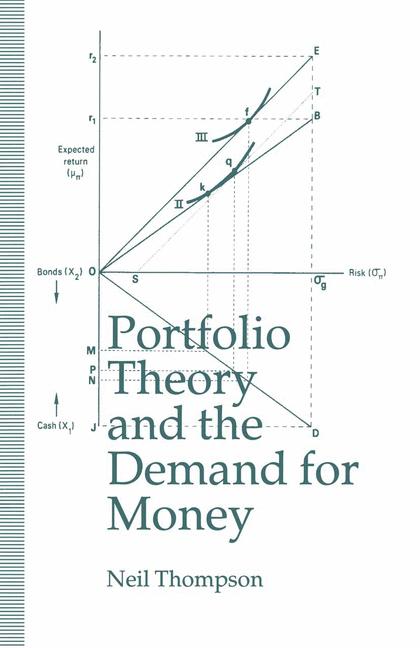 Portfolio Theory And The Demand For Money
105,49€
Portfolio Theory And The Demand For Money
105,49€
 The Demand For Life Insurance
52,74€
The Demand For Life Insurance
52,74€
 The Demand For Alternative Finance
42,19€
The Demand For Alternative Finance
42,19€
 The Demand For Urban Water
52,74€
The Demand For Urban Water
52,74€
 The Demand For Consumer Durables
52,74€
The Demand For Consumer Durables
52,74€
 The Demand For International Football Telecasts In The United States
58,01€
The Demand For International Football Telecasts In The United States
58,01€
 Money Demand In Europe
52,74€
Money Demand In Europe
52,74€