Springer Nature
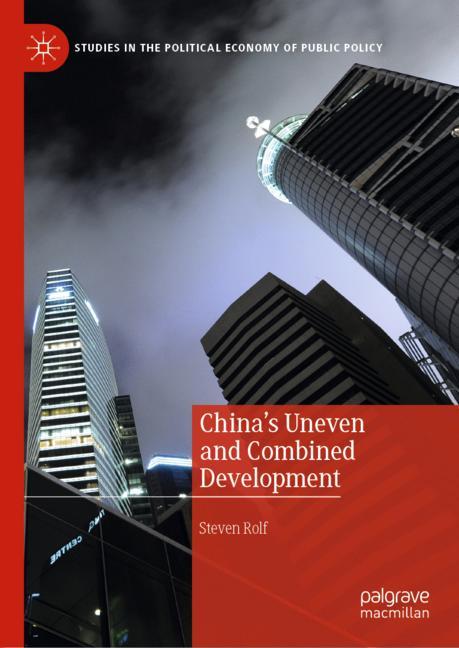
ChinaâS Uneven And Combined Development
Miglior prezzo disponibile
84,99$
Springer Nature · Spedizione gratuita
VISAPayPal
Prezzi aggiornati
Specifiche
MarcaSpringer Nature
CondizioneNuovo
Descrizione
This book mobilises the theory of uneven and combined development to uncover the geopolitical economic drivers of Chinaâs rise. The purpose is to explain the formation and trajectory of its economic âaccumulation systemâ â which remains a confounding hybrid of statist and neoliberal forms of capitalism â as the outcome of Chinaâs geopolitical engagement of the USA during the late stages of the Cold War, and its participation in manufacturing global production networks (GPNs). Fear of geopolitical catastrophe drove China to open its economy, while GPNs enabled China to generate substantial export surpluses which could be recycled through state-owned banks as cheap credit and subsidies to large, vertically integrated and politically-controlled state-owned enterprises. In this way, a synergy emerged between the âneoliberalâ and âKeynesian-Fordistâ sectors of the economy, while the national-territorial state retained its form and expanded its functions. The book chronicles how this reliance on export surpluses, however, rendered China extremely vulnerable to external shocks â prompting a dramatic monetary and fiscal stimulus response to the crisis of 2008, even while sustaining the illusion of economic âdecouplingâ from the global economy. Finally, it examines the growing role of the state in the current crisis-ridden economic model, as well as Chinaâs current geoeconomic and geopolitical expansionism in areas such as the Belt and Road Initiative and the militarisation of the East and South China Seas.
Storico prezzi
Ricevi una notifica se il prezzo scende
Ti invieremo un'email quando il prezzo di questo prodotto diminuirà.
- Aggiornamenti dei prezzi in tempo reale
- Oltre 50 negozi monitorati
- Avvisi gratuiti di calo prezzo
- Solo negozi verificati
Avvisami quando il prezzo scende sotto: 84,99$
Prodotti simili
Una selezione di prodotti che potrebbero interessarti. Guarda tutti
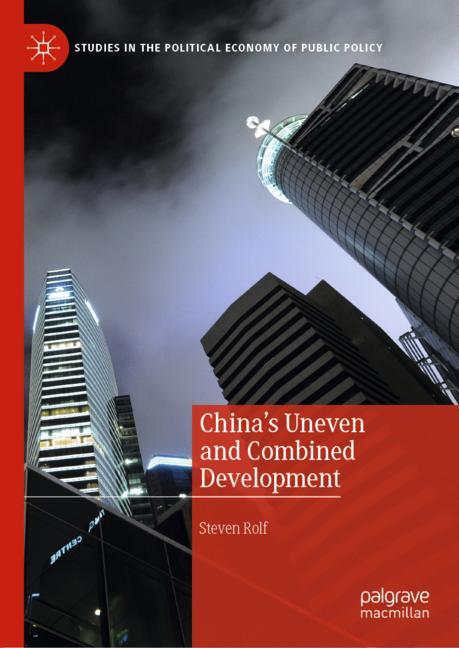 ChinaâS Uneven And Combined Development
64,99$
ChinaâS Uneven And Combined Development
64,99$
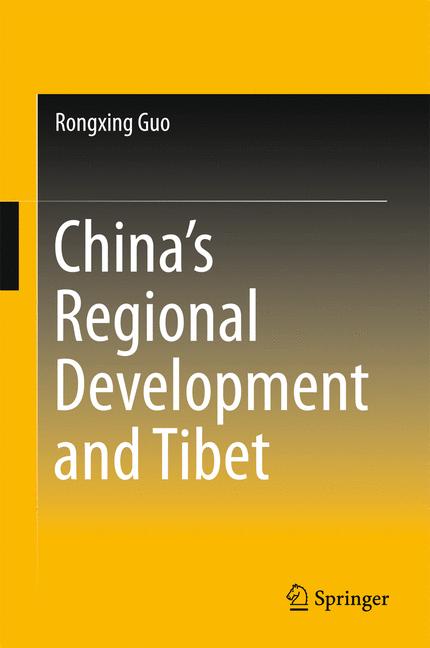 ChinaâS Regional Development And Tibet
54,99$
ChinaâS Regional Development And Tibet
54,99$
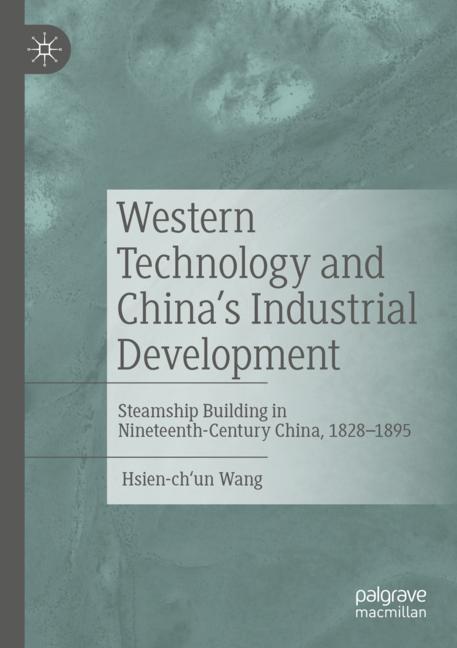 Western Technology And ChinaâS Industrial Development
63,00$
Western Technology And ChinaâS Industrial Development
63,00$
 ChinaâS Domestic And International Migration Development
39,99$
ChinaâS Domestic And International Migration Development
39,99$
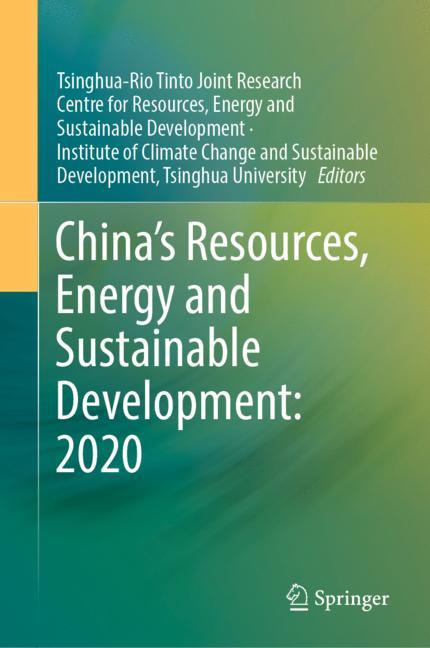 ChinaâS Resources, Energy And Sustainable Development: 2020
139,99$
ChinaâS Resources, Energy And Sustainable Development: 2020
139,99$
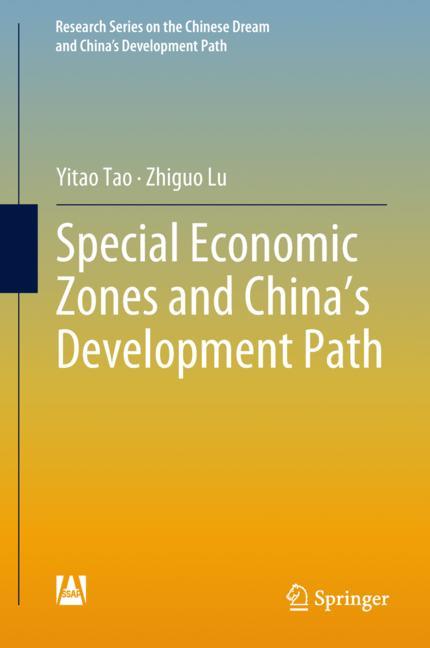 Special Economic Zones And ChinaâS Development Path
109,99$
Special Economic Zones And ChinaâS Development Path
109,99$
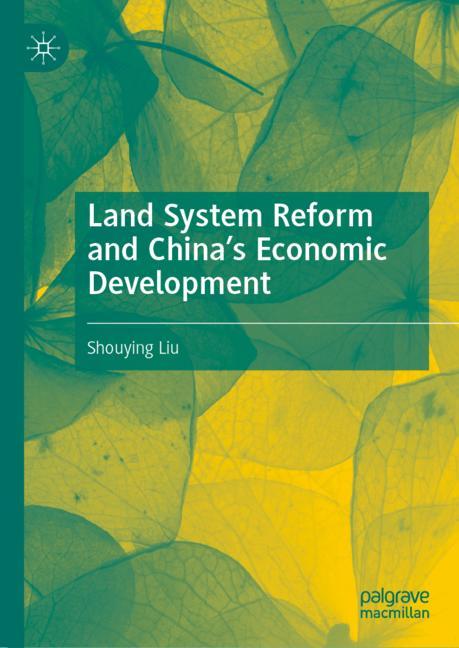 Land System Reform And ChinaâS Economic Development
119,99$
Land System Reform And ChinaâS Economic Development
119,99$
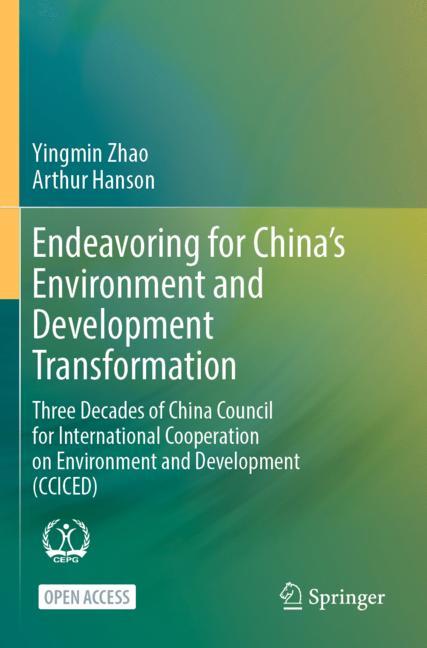 Endeavoring For ChinaâS Environment And Development Transformation
49,99$
Endeavoring For ChinaâS Environment And Development Transformation
49,99$