Springer Nature

Artificial Intelligence, Computational Modelling And Criminal Proceedings
Miglior prezzo disponibile
139,99$
Springer Nature · Spedizione gratuita
VISAPayPal
Prezzi aggiornati
Specifiche
MarcaSpringer Nature
CondizioneNuovo
Descrizione
This book discusses issues relating to the application of AI and computational modelling in criminal proceedings from a European perspective. Part one provides a definition of the topics. Rather than focusing on policing or prevention of crime â largely tackled by recent literature â it explores ways in which AI can affect the investigation and adjudication of crime. There are two main areas of application: the first is evidence gathering, which is addressed in Part two. This section examines how traditional evidentiary law is affected by both new ways of investigation â based on automated processes (often using machine learning) â and new kinds of evidence, automatically generated by AI instruments. Drawing on the comprehensive case law of the European Court of Human Rights, it also presents reflections on the reliability and, ultimately, the admissibility of such evidence. Part three investigates the second application area: judicial decision-making, providing an unbiased review of the meaning, benefits, and possible long-term effects of âpredictive justiceâ in the criminal field. It highlights the prediction of both violent behaviour, or recidivism, and future court decisions, based on precedents. Touching on the foundations of common law and civil law traditions, the book offers insights into the usefulness of âpredictionâ in criminal proceedings.
Storico prezzi
Ricevi una notifica se il prezzo scende
Ti invieremo un'email quando il prezzo di questo prodotto diminuirà.
- Aggiornamenti dei prezzi in tempo reale
- Oltre 50 negozi monitorati
- Avvisi gratuiti di calo prezzo
- Solo negozi verificati
Avvisami quando il prezzo scende sotto: 139,99$
Prodotti simili
Una selezione di prodotti che potrebbero interessarti. Guarda tutti
 Artificial Intelligence, Computational Modelling And Criminal Proceedings
97,99$
Artificial Intelligence, Computational Modelling And Criminal Proceedings
97,99$
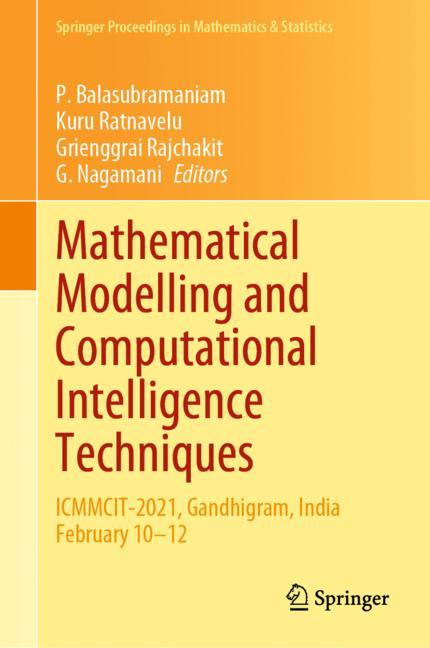 Mathematical Modelling And Computational Intelligence Techniques
219,99$
Mathematical Modelling And Computational Intelligence Techniques
219,99$
 Computational Intelligence For Modelling And Prediction
169,99$
Computational Intelligence For Modelling And Prediction
169,99$
 Artificial Intelligence And Computational Intelligence
39,99$
Artificial Intelligence And Computational Intelligence
39,99$
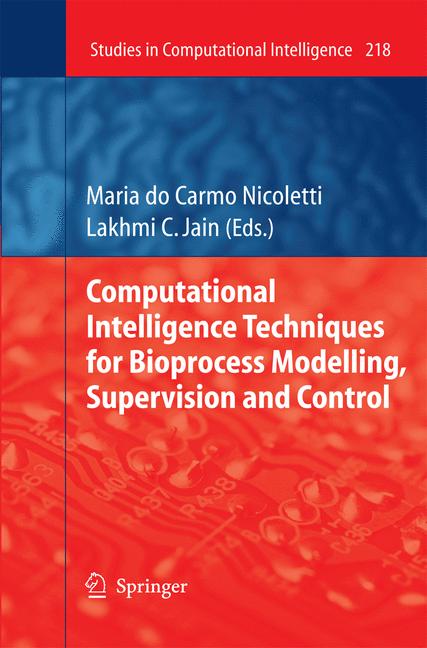 Computational Intelligence Techniques For Bioprocess Modelling, Supervision And Control
169,99$
Computational Intelligence Techniques For Bioprocess Modelling, Supervision And Control
169,99$
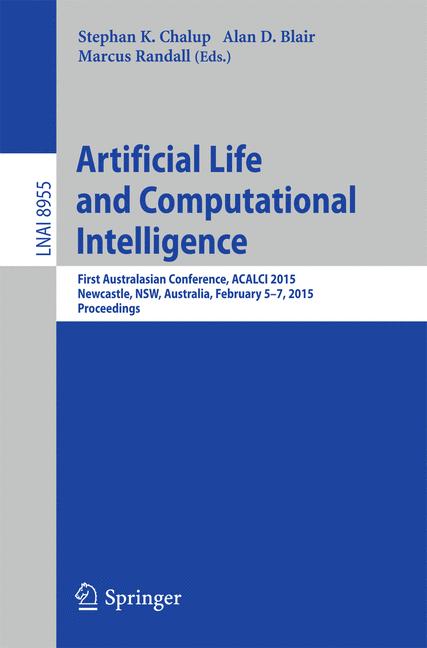 Artificial Life And Computational Intelligence
54,99$
Artificial Life And Computational Intelligence
54,99$
 Reliability Modelling, System Engineering, And Management Through Computational Intelligence
199,99$
Reliability Modelling, System Engineering, And Management Through Computational Intelligence
199,99$