Springer Nature
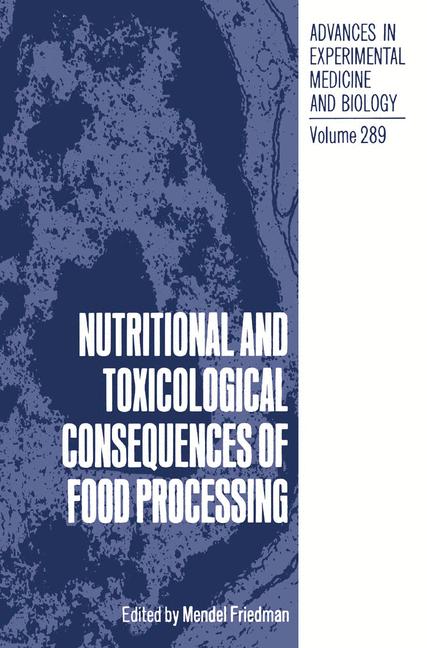
Nutritional And Toxicological Consequences Of Food Processing
Miglior prezzo disponibile
169,00$
Springer Nature · Spedizione gratuita
VISAPayPal
Prezzi aggiornati
Specifiche
MarcaSpringer Nature
CondizioneNuovo
Descrizione
A variety of processing methods are used to make foods edible; to pennit storage; to alter texture and flavor; to sterilize and pasteurize food; and to destroy microorganisms and other toxins. These methods include baking, broiling, cooking, freezing, frying, and roasting. Many such efforts have both beneficial and harmful effects. It is a paradox of nature that the processing of foods can improve nutrition, quality, safety, and taste, and yet occasionally lead to the formation of anti-nutritional and toxic compounds. These multifaceted consequences of food processing arise from molecular interactions among nutrients with each other and with other food ingredients. Since beneficial and adverse effects of food processing are of increasing importance to food science, nutrition, and human health, and since many of the compounds formed have been shown to be potent carcinogens and growth inhibitors in animals, I organized a symposium broadly concerned with the nutritional and toxicological consequences of food processing. The symposium was sponsored by the American Institute of Nutrition (AIN) -Federation of American Societies for Experimental Biology (FASEB) for its annual meeting in Washington, D.C., April 1-5, 1990. Invited speakers were asked to develop at least one of the following topics: 1. Nutrient-nonnutrient interactions between amino acids, proteins, carbohydrates, lipids, minerals, vitamins, tannins, fiber, natural toxicants, etc. 2. Effects of radiation. 3. Thermally induced formation of dietary mutagens, antimutagens, carcinogens, anticarcinogens, antioxidants, and growth inhibitors. 4. Effects of pH on nutritional value and safety.
Storico prezzi
Ricevi una notifica se il prezzo scende
Ti invieremo un'email quando il prezzo di questo prodotto diminuirà.
- Aggiornamenti dei prezzi in tempo reale
- Oltre 50 negozi monitorati
- Avvisi gratuiti di calo prezzo
- Solo negozi verificati
Avvisami quando il prezzo scende sotto: 169,00$
Prodotti simili
Una selezione di prodotti che potrebbero interessarti. Guarda tutti
 Nutritional And Toxicological Consequences Of Food Processing
219,99$
Nutritional And Toxicological Consequences Of Food Processing
219,99$
 Nutritional And Toxicological Aspects Of Food Safety
84,99$
Nutritional And Toxicological Aspects Of Food Safety
84,99$
 Nutritional Evaluation Of Food Processing
109,99$
Nutritional Evaluation Of Food Processing
109,99$
 Nutritional And Toxicological Significance Of Enzyme Inhibitors In Foods
109,99$
Nutritional And Toxicological Significance Of Enzyme Inhibitors In Foods
109,99$
 Cellular Aging And Consequences In Humans Nutritional And Clinical Studies | Food & Nutrition
199,99$
Cellular Aging And Consequences In Humans Nutritional And Clinical Studies | Food & Nutrition
199,99$
 Snack Foods Processing Innovation And Nutritional Aspects | Food & Nutrition
88,79$
Snack Foods Processing Innovation And Nutritional Aspects | Food & Nutrition
88,79$
 Algae For Food Cultivation Processing And Nutritional Benefits | Life Science
133,59$
Algae For Food Cultivation Processing And Nutritional Benefits | Life Science
133,59$
 Toxicological Aspects Of Food Safety
109,99$
Toxicological Aspects Of Food Safety
109,99$