Springer Nature
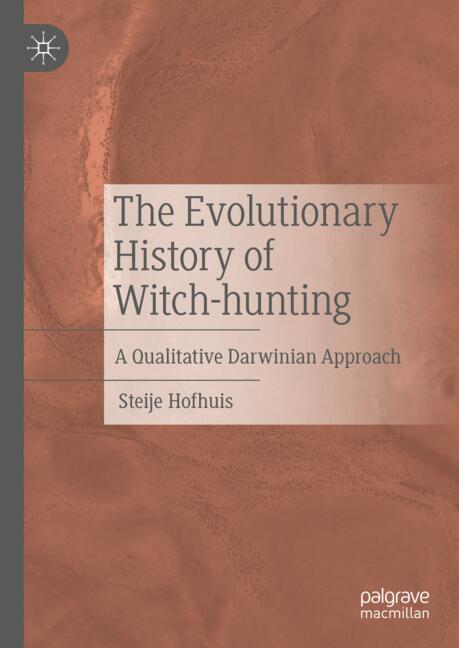
The Evolutionary History Of Witch-Hunting
Miglior prezzo disponibile
147,69€
Springer Nature · Spedizione gratuita
VISAPayPal
Prezzi aggiornati
Specifiche
MarcaSpringer Nature
CondizioneNuovo
Descrizione
Why did early modern Europeans hunt for witches? Were these persecutions a shrewd tool to oppress women or the poor, or were they just a way of making money? Or were witch-hunters primarily driven by a genuine belief in witchcraft? The witchesâ sabbath, the diabolical pact, and the nightly flight were elements in the early modern concept of witchcraft that seem to have been intelligently designed to trigger persistent witch persecutions. But in contrast to what many past historical scholars presumed, witch-hunts were not based on intelligent design. So how to explain them? This book proposes a new model: Darwinian cultural evolution. It contends that witch-huntingâs apparent design emerged from a hidden evolutionary process in which cultural variants which accidentally unleashed larger persecutions were cumulatively preserved. Witch-hunting did not so much evolve to serve human interests but to ensure its own âselfishâ reproduction. Historians have often compared witch persecutions to the outbreaks of contagious disease, but only as a figure of speech. But shouldnât we take the similarities more seriously? This book argues that witch-hunting was a cultural âvirusâ that spread at the expense of its human hosts, and thus bridges the gap between qualitative history and the burgeoning field of Darwinian cultural evolution.
Storico prezzi
Ricevi una notifica se il prezzo scende
Ti invieremo un'email quando il prezzo di questo prodotto diminuirà.
- Aggiornamenti dei prezzi in tempo reale
- Oltre 50 negozi monitorati
- Avvisi gratuiti di calo prezzo
- Solo negozi verificati
Avvisami quando il prezzo scende sotto: 147,69€
Prodotti simili
Una selezione di prodotti che potrebbero interessarti. Guarda tutti
 The Evolutionary History Of Witch-Hunting
117,69€
The Evolutionary History Of Witch-Hunting
117,69€
 Early Evolutionary History Of The Synapsida
82,38€
Early Evolutionary History Of The Synapsida
82,38€
 Structure And Evolutionary History Of The Solar System
52,74€
Structure And Evolutionary History Of The Solar System
52,74€
 Evolutionary Processes In The Natural History Of Religion
116,04€
Evolutionary Processes In The Natural History Of Religion
116,04€
 The History And Environmental Impacts Of Hunting Deities
137,14€
The History And Environmental Impacts Of Hunting Deities
137,14€
 An Evolutionary History Of The Gangs And Factions Of Rio De Janeiro
137,14€
An Evolutionary History Of The Gangs And Factions Of Rio De Janeiro
137,14€
 The Development Of Evolutionary Genetics
181,89€
The Development Of Evolutionary Genetics
181,89€
 Evolutionary Trends Of The Internet
105,49€
Evolutionary Trends Of The Internet
105,49€