Springer Nature
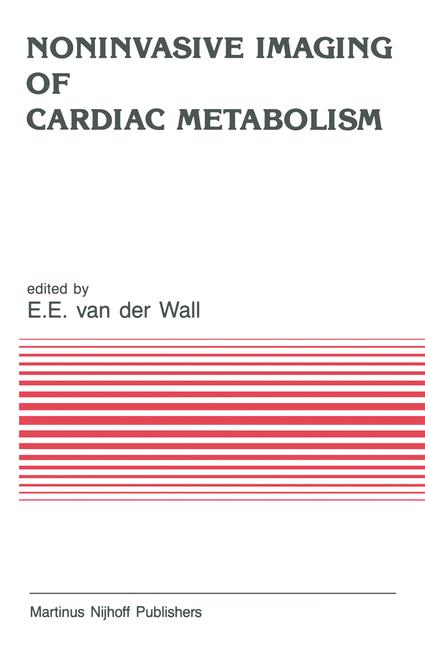
Noninvasive Imaging Of Cardiac Metabolism
Miglior prezzo disponibile
54,99$
Springer Nature · Spedizione gratuita
VISAPayPal
Prezzi aggiornati
Specifiche
MarcaSpringer Nature
CondizioneNuovo
Descrizione
F.J.Th. WACKERS Metabolic imaging: The future of cardiovascular nuclear imaging? Since cardiovascular nuclear imaging emerged as a new subspecialty in the mid-1970s, the field has gone through an explosive growth. Radionuclide techniques became readily recognized as important new diagnostic aids in the armamentarium of the clinical cardiologist. Initially, cardiovascular nuclear imaging focused on static myocardial imaging using either thallium-201 or technetium-99m-pyrophosphate for diagnosing acute myocardial infarction. Shortly thereafter, multigated equilibrium radionuclide angiocardiography became the most widely used noninvasive method for assessing cardiac function. Furthermore, attention and clinical application shifted towards the use of radionuclide techniques in conjunction with exercise testing, either with thallium-20 1 myocardial perfusion imaging or technetium-99m left ventricular function studies. The future of cardiovascular nuclear imaging appeared exciting and promising. However, around 1980 pessimists predicted the premature demise of cardiovascular nuclear imaging with the introduction of digital subtraction angiography and nuclear magnetic resonance imaging. These doomsayers have been proven wrong: in 1985 cardiovascular nuclear imaging is thriving and, in many centers, even expanding. Although digital substraction angiography and magnetic resonance imaging provided exquisite anatomic detail, for practical evaluation of patients with ischemic heart disease - in the Coronary Care Unit or exercise laboratory - nuclear techniques appeared to be more practical.
Storico prezzi
Ricevi una notifica se il prezzo scende
Ti invieremo un'email quando il prezzo di questo prodotto diminuirà.
- Aggiornamenti dei prezzi in tempo reale
- Oltre 50 negozi monitorati
- Avvisi gratuiti di calo prezzo
- Solo negozi verificati
Avvisami quando il prezzo scende sotto: 54,99$
Prodotti simili
Una selezione di prodotti che potrebbero interessarti. Guarda tutti
 Noninvasive Imaging Of Myocardial Ischemia
169,99$
Noninvasive Imaging Of Myocardial Ischemia
169,99$
 Noninvasive Ventilatory Support In Cardiac Disorders
129,00$
Noninvasive Ventilatory Support In Cardiac Disorders
129,00$
 Case-Based Atlas Of Cardiac Imaging
119,00$
Case-Based Atlas Of Cardiac Imaging
119,00$
 Optical Imaging Of Brain Function And Metabolism
169,00$
Optical Imaging Of Brain Function And Metabolism
169,00$
 Digital Cardiac Imaging
54,99$
Digital Cardiac Imaging
54,99$
 Cardiac Metabolism In Health And Disease
219,00$
Cardiac Metabolism In Health And Disease
219,00$
 Simulation And Imaging Of The Cardiac System
54,99$
Simulation And Imaging Of The Cardiac System
54,99$
 Atlas Of Cardiac Mr Imaging With Anatomical Correlations
109,99$
Atlas Of Cardiac Mr Imaging With Anatomical Correlations
109,99$