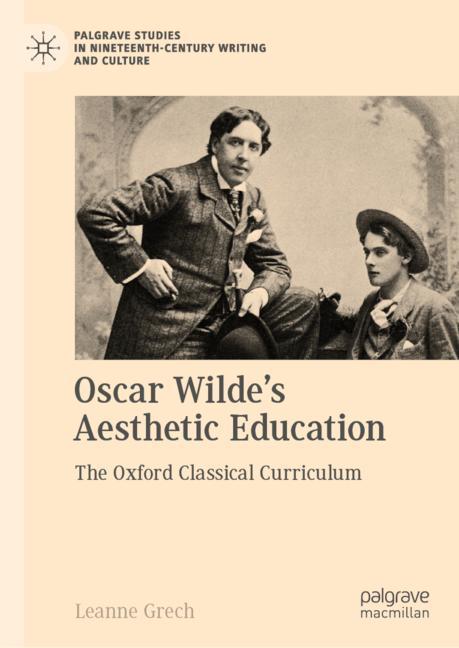
This book focuses on the role that the Oxford classical curriculum has had in shaping Oscar Wildeâs aestheticism. It positions Wilde as a classically trained intellectual and outlines the path he took to gain recognition as a writer and promoter of the aesthetic movement. This narrative is conveyed through a broad range of literary sources, including Wildeâs travel poetry, American lectures, and canonical works like âThe Critic as Artistâ, The Soul of Man, The Picture of Dorian Gray and De Profundis. This study proposes that Wilde approached aestheticism as a personalised, self-directed learning experience â a mode of self-culture â which could be used to maintain an intellectual life outside of the university. It also explores Wildeâs thoughts on education and considers the significance of male friendship at Oxford, and in Wildeâs life and literature.