Springer Nature
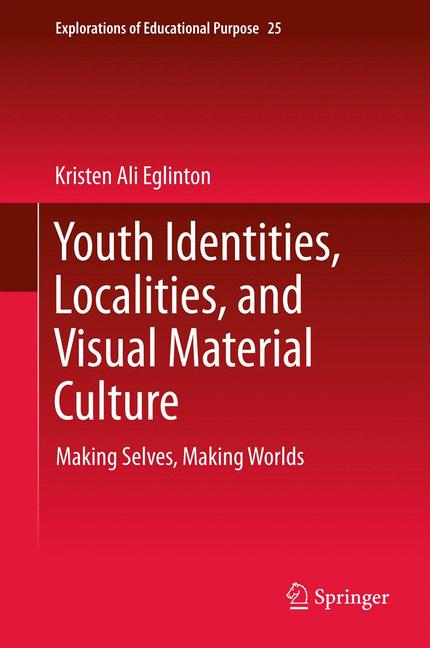
Youth Identities, Localities, And Visual Material Culture
Miglior prezzo disponibile
109,99$
Springer Nature · Spedizione gratuita
VISAPayPal
Prezzi aggiornati
Specifiche
MarcaSpringer Nature
CondizioneNuovo
Descrizione
This invaluable addition to Springerâs Explorations of Educational Purpose series is a revelatory ethnographic account of the visual material culture of contemporary youths in North America. The authorâs detailed study follows apparently dissimilar groups (black and Latino/a in a New York City after-school club, and white and Indigenous in a small Canadian community) as they inflect their nascent identities with a sophisticated sense of visual material culture in todayâs globalized world. It provides detailed proof of how much ethnography can add to what we know about young peopleâs development, in addition to its potential as a model to explore new and significant avenues in pedagogy. Supported by a wealth of ethnographic evidence, the analysis tracks its subjectsâ responses to strikingly diverse material ranging from autobiographical accounts by rap artists to the built environment. It shows how young people from the worldâs cultural epicenter, just like their counterparts in the sub-Arctic, construct racial, geographic and gender identities in ways that are subtly responsive to what they see around them, blending localized characteristics with more widely shared visual references that are now universally accessible through the Web. The work makes a persuasive case that youthful engagement with visual material culture is a relational and productive activity that is simultaneously local and global, at once constrained and enhanced by geography, and possesses a potent and life-affirming authenticity. Densely interwoven with young peopleâs perspectives, the authorâs account sets out an innovative and interdisciplinary conceptual framework affording fresh insights into how todayâs youth assimilate what they perceive to be significant. Supported by a wealth of ethnographic evidence, the analysis tracks itssubjectsâ responses to strikingly diverse material ranging from autobiographical accounts by rap artists to the built environment. It shows how young people from the worldâs cultural epicenter, just like their counterparts in the sub-Arctic, construct racial, geographic and gender identities in ways that are subtly responsive to what they see around them, blending localized characteristics with more widely shared visual references that are now universally accessible through the Web. The work makes a persuasive case that youthful engagement with visual material culture is a relational and productive activity that is simultaneously local and global, at once constrained and enhanced by geography, and possesses a potent and life-affirming authenticity. Densely interwoven with young peopleâs perspectives, the authorâs account sets out an innovative and interdisciplinary conceptual framework affording fresh insights into how todayâs youth assimilate what they perceive to be significant. Supported by a wealth of ethnographic evidence, the analysis tracks its subjectsâ responses to strikingly diverse material ranging from autobiographical accounts by rap artists to the built environment. It shows how young people from the worldâs cultural epicenter, just like their counterparts in the sub-Arctic, construct racial, geographic and gender identities in ways that are subtly responsive to what they see around them, blending localized characteristics with more widely shared visual references that are now universally accessible through the Web. The work makes a persuasive case that youthful engagement with visual material culture is a relational and productive activity that is simultaneously local and global, at once constrained and enhanced by geography, and possesses a potent and life-affirming authenticity. Densely interwoven with young peopleâs perspectives, the authorâs account sets out an innovative andinterdisciplinary conceptual framework affording fresh insights into how todayâs youth assimilate what they perceive to be significant.
Storico prezzi
Ricevi una notifica se il prezzo scende
Ti invieremo un'email quando il prezzo di questo prodotto diminuirà.
- Aggiornamenti dei prezzi in tempo reale
- Oltre 50 negozi monitorati
- Avvisi gratuiti di calo prezzo
- Solo negozi verificati
Avvisami quando il prezzo scende sotto: 109,99$
Prodotti simili
Una selezione di prodotti che potrebbero interessarti. Guarda tutti
 Youth Identities, Localities, And Visual Material Culture
84,99$
Youth Identities, Localities, And Visual Material Culture
84,99$
 Invisibility In Visual And Material Culture
38,49$
Invisibility In Visual And Material Culture
38,49$
 Identities, Youth And Belonging
69,99$
Identities, Youth And Belonging
69,99$
 Medical Identities And Print Culture, 1830Sâ1910S
99,00$
Medical Identities And Print Culture, 1830Sâ1910S
99,00$
 Youth Identities, Education And Employment
99,99$
Youth Identities, Education And Employment
99,99$
 Material Cultures, Migrations, And Identities
39,99$
Material Cultures, Migrations, And Identities
39,99$
 Youth Identities And Argentine Popular Music
54,99$
Youth Identities And Argentine Popular Music
54,99$
 Rethinking Art And Visual Culture
62,99$
Rethinking Art And Visual Culture
62,99$