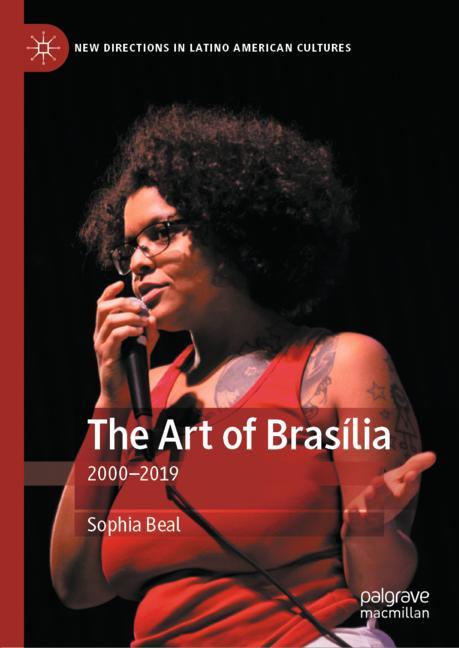
People from outside of BrasÃlia often dismiss Brazilâs capital as socially divided, boring, corrupt, and emotionally cold. Apparently its founders created not a vibrant capital, but a cultural wasteland. However, as Sophia Beal argues, BrasÃliaâs contemporary artists are out to prove the skeptics wrong. These twenty-first-century artists are changing how people think about the city and animating its public spaces. They are recasting BrasÃlia as a vibrant city of the arts in which cultural production affirms a creative right to the city. Various genresâprose, poetry, film, cultural journalism, music, photography, graffiti, street theater, and street danceâplay a part. BrasÃliaâs initial 1960s art was state-sanctioned, carried out mainly by privileged, white men. In contrast, the capitalâs contemporary art is marked by its diversity, challenging norms about who has a voice within the BrasÃlia art scene. This art demystifies the capitalâs inequities and imagines alternative ways of inhabiting the city.