Springer Nature
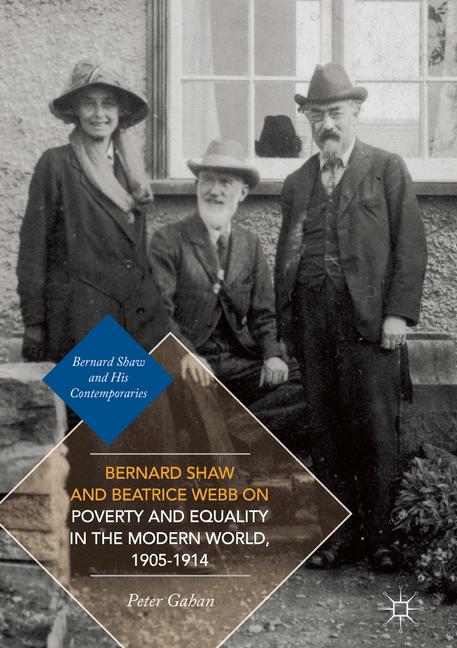
Bernard Shaw And Beatrice Webb On Poverty And Equality In The Modern World, 1905â1914
Miglior prezzo disponibile
105,49€
Springer Nature · Spedizione gratuita
VISAPayPal
Prezzi aggiornati
Specifiche
MarcaSpringer Nature
CondizioneNuovo
Descrizione
This book investigates how, alongside Beatrice Webbâs ground-breaking pre-World War One anti-poverty campaigns, George Bernard Shaw helped launch the public debate about the relationship between equality, redistribution and democracy in a developed economy. The ten years following his great 1905 play on poverty Major Barbara present a puzzle to Shaw scholars, who have hitherto failed to appreciate both the centrality of the idea of equality in major plays like Getting Married, Misalliance, and Pygmalion, and to understand that his major political work, 1928âs The Intelligent Womanâs Guide to Socialism and Capitalism had its roots in this period before the Great War. As both the eraâs leading dramatist and leader of the Fabian Society, Shaw proposed his radical postulate of equal incomes as a solution to those twin scourges of a modern industrial society: poverty and inequality. Set against the backdrop of Beatrice Webbâs famous Minority Report of the Royal Commission on the Poor Law 1905-1909 â a publication which led to grass-roots campaigns against destitution and eventually the Welfare State â this book considers how Shaw worked with Fabian colleagues, Sidney and Beatrice Webb, and H. G. Wells to explore through a series of major lectures, prefaces and plays, the social, economic, political, and even religious implications of human equality as the basis for modern democracy.
Storico prezzi
Ricevi una notifica se il prezzo scende
Ti invieremo un'email quando il prezzo di questo prodotto diminuirà.
- Aggiornamenti dei prezzi in tempo reale
- Oltre 50 negozi monitorati
- Avvisi gratuiti di calo prezzo
- Solo negozi verificati
Avvisami quando il prezzo scende sotto: 105,49€
Prodotti simili
Una selezione di prodotti che potrebbero interessarti. Guarda tutti
 Bernard Shaw And Beatrice Webb On Poverty And Equality In The Modern World, 1905â1914
31,64€
Bernard Shaw And Beatrice Webb On Poverty And Equality In The Modern World, 1905â1914
31,64€
 Bernard Shaw And The Spanish-Speaking World
106,99€
Bernard Shaw And The Spanish-Speaking World
106,99€
 Bernard Shaw And The Making Of Modern Ireland
126,59€
Bernard Shaw And The Making Of Modern Ireland
126,59€
 Subjects In The Ancient And Modern World
42,79€
Subjects In The Ancient And Modern World
42,79€
 Masculinities And The Nation In The Modern World
52,74€
Masculinities And The Nation In The Modern World
52,74€
 International Businesses And The Challenges Of Poverty In The Developing World
105,49€
International Businesses And The Challenges Of Poverty In The Developing World
105,49€
 Monstrosity, Disability, And The Posthuman In The Medieval And Early Modern World
147,69€
Monstrosity, Disability, And The Posthuman In The Medieval And Early Modern World
147,69€
 Violence, Colonialism And Empire In The Modern World
158,24€
Violence, Colonialism And Empire In The Modern World
158,24€